
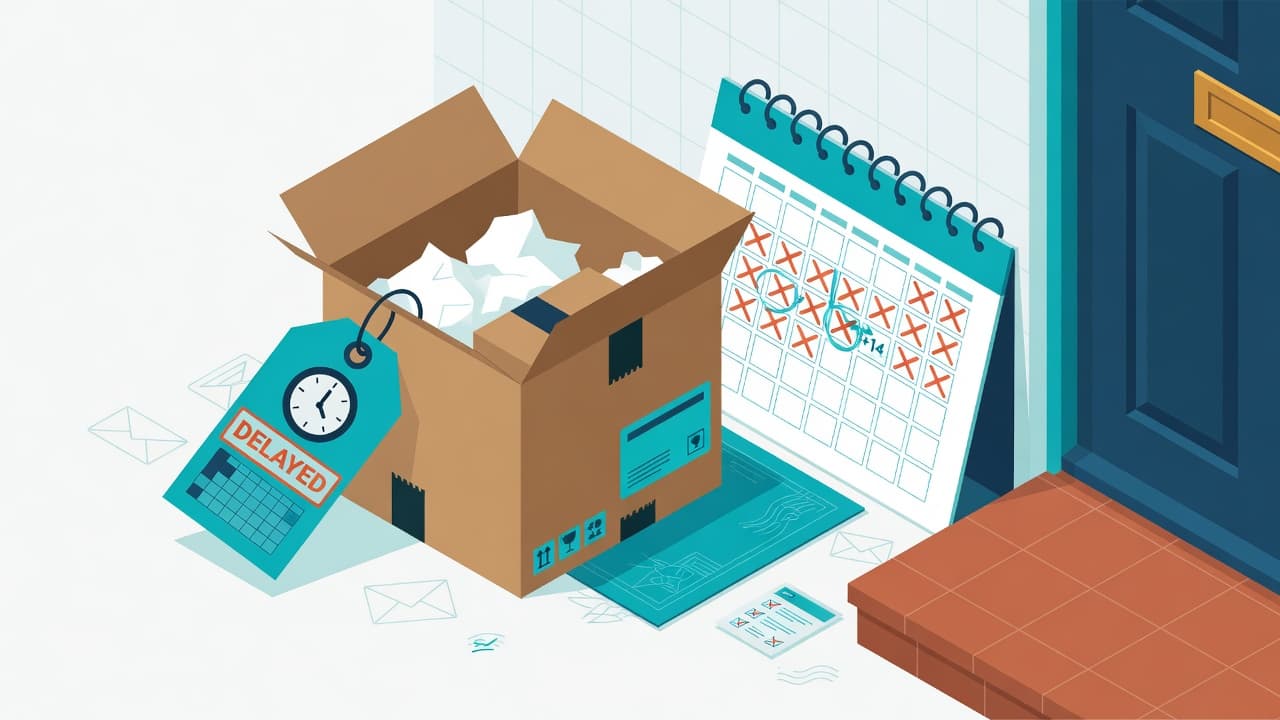
In short (UK): A chargeback is a card-scheme dispute with your bank when a trader will not put things right — common for non-delivery, faulty/not as described purchases, or cancelled services. It is not a statutory right like Section 75, and time limits are tight. Complain to the trader first in writing, gather evidence, then dispute promptly. This is general guidance, not legal advice.
When a company will not refund you, your bank may still help. This guide explains what chargeback is and when it fits — not a full dispute pack. For a personalised step by step action plan, deadline reminders and pre-filled letter templates, use Refundly.
What Is a Chargeback?
Your card issuer can reverse a payment under scheme rules if the dispute is valid. Banks must treat disputes fairly, but success depends on reason codes, timing, and evidence.
When Can You Use Chargeback?
Common valid themes:
- Goods not received
- Faulty or significantly not as described
- Cancelled service not refunded
- Duplicate charge
- Unauthorised / fraud
Not usually: pure change of mind on non-faulty goods.
Time Limits
Act quickly. Many Visa/Mastercard windows are in the region of ~120 days from the relevant date — confirm with your issuer. Waiting while a retailer “looks into it” for months is a common reason claims fail.
What to Do Next (High Level)
- Complain to the retailer in writing first — keep proof.
- Collect evidence — order, emails, photos, tracking, refusal.
- Contact your bank — app, phone, or dispute form.
- State a clear reason and submit organised documents.
- Keep the case reference and follow up.
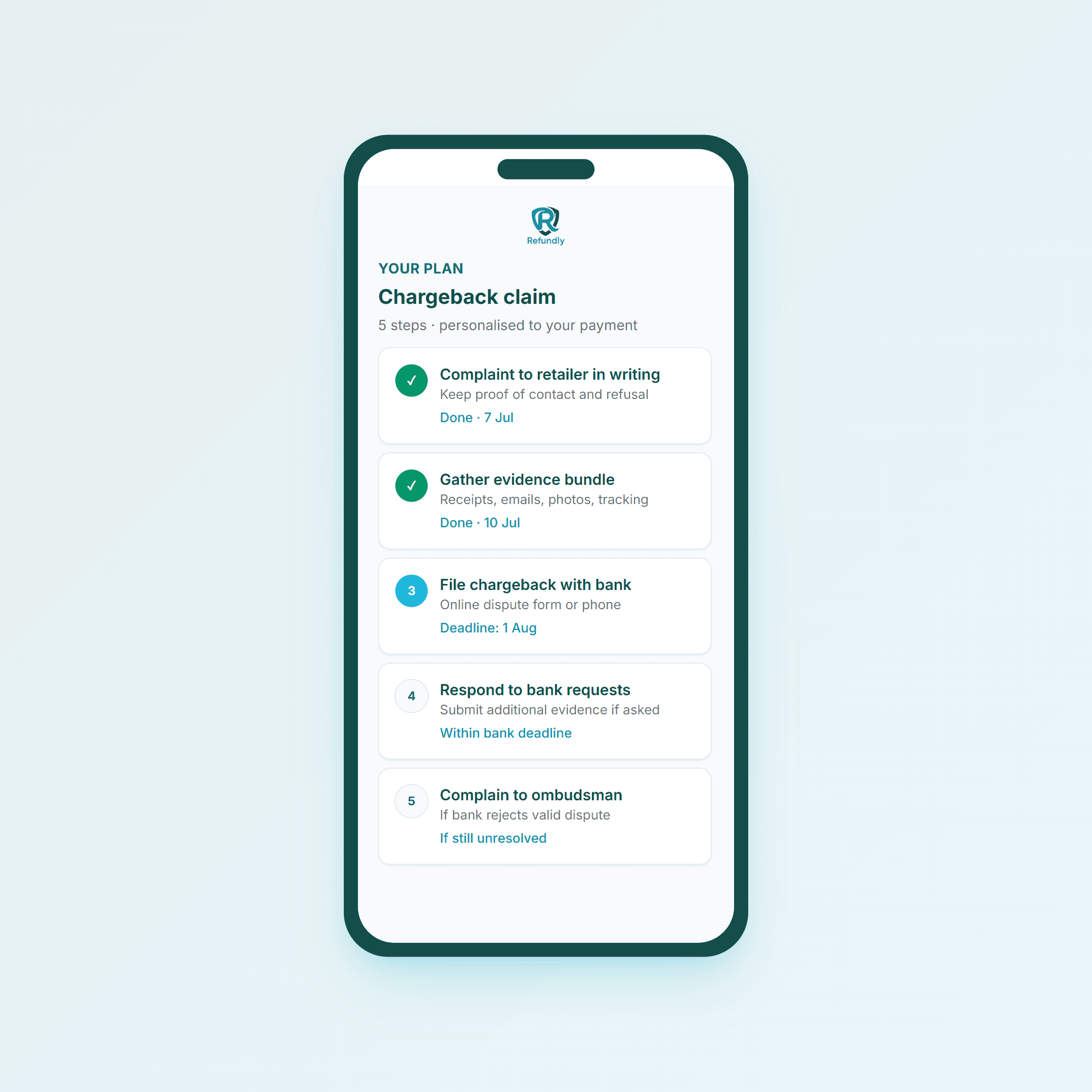 A timeline of retailer contact before dispute is what banks expect to see
Chargeback vs Section 75
| Chargeback | Section 75 | |
|---|---|---|
| Typical card | Debit or credit | Credit |
| Basis | Scheme rules | UK statute |
| Amount | No statutory £100 floor | Usually £100–£30,000 cash price |
| Time | Often short (weeks/months) | Often much longer for the legal claim |
See our Section 75 guide if you paid by credit card on a qualifying purchase.
Why Disputes Get Rejected
Missed deadline, no retailer contact proof, weak documents, or the merchant showing delivery/performance. Accepting a voucher can also complicate later disputes.
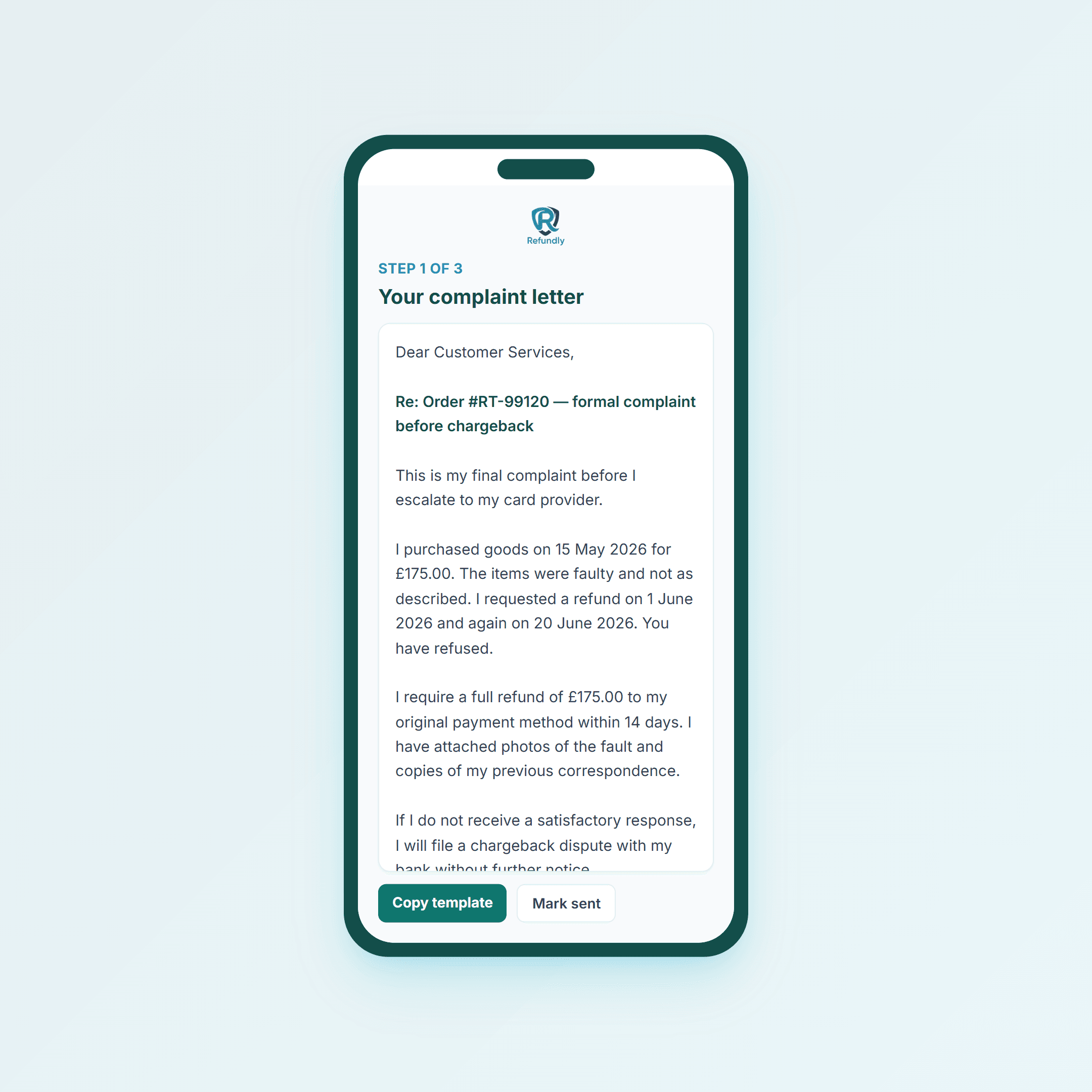 A formal retailer complaint before chargeback creates the evidence trail
After You Dispute
Banks may provisional-credit you; merchants can challenge; a final decision follows. If your bank mishandles a valid case, Financial Ombudsman routes may exist — separate from winning the chargeback itself.
Using Refundly for Chargeback Disputes
- Log the original issue and payment method
- See whether chargeback or Section 75 fits better
- Build a complaint + evidence timeline first
- Track deadlines before windows close
- Export a pack if you escalate
Final Tip
Do not wait months for vague “investigations”. Written complaint + short deadline, then dispute while time remains.
General information for UK consumers only — not legal advice. Confirm scheme rules and deadlines with your card issuer.
Common questions
Short answers to common questions on this topic.
- What is a chargeback in the UK?
- A chargeback is a payment dispute raised with your card issuer under Visa, Mastercard or similar scheme rules. If valid, the bank can reverse the transaction. It is not the same as Section 75, which is a statutory credit-card right.
- How long do I have to raise a chargeback?
- Windows are short — often around 120 days from the transaction or expected delivery date, depending on the scheme and reason. Check with your issuer and act as soon as the trader refuses to help.
- Can I chargeback if I just changed my mind?
- Usually no for non-faulty goods you simply no longer want. Stronger reasons include non-delivery, significantly not as described, cancelled services not refunded, duplicates, or fraud.
- Should I use chargeback or Section 75?
- Debit cards typically use chargeback. Qualifying credit-card purchases often favour Section 75 first. You usually should not run both at once for the same transaction — pick the stronger fit.
- Why do chargebacks fail?
- Common reasons: missed time limit, no proof you contacted the retailer, weak evidence, or the retailer showed the service was delivered. A clear written trail before you dispute helps.